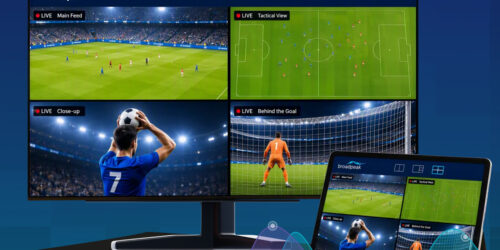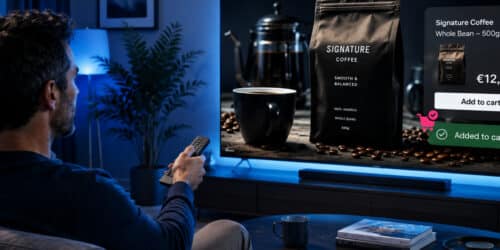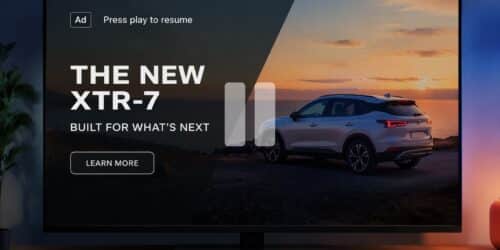
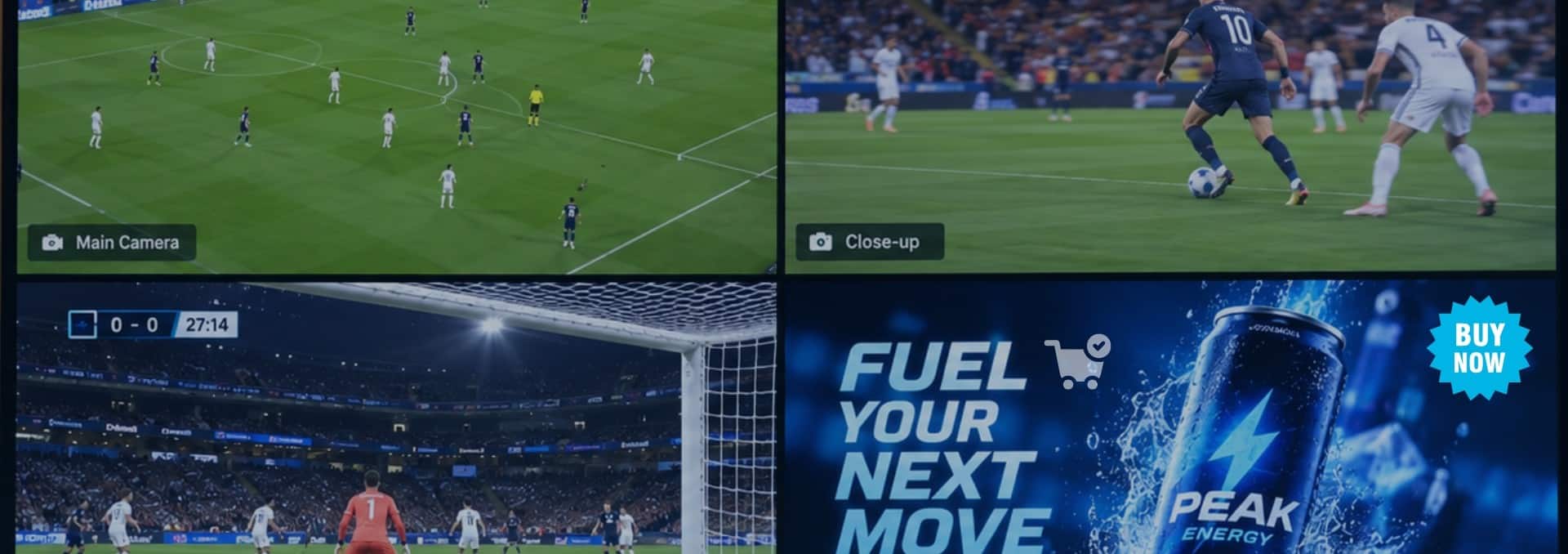

Multiview gives viewers more control over live TV: multiple games, channels or camera angles on one screen, with the freedom to choose what they want to watch. With Broadpeak Multiview, now available as a service on broadpeak.io, those experiences can be delivered without running multiple players on the device or pre-encoding every possible layout. Instead, Broadpeak does the heavy lifting server-side and delivers a single standard stream to the screen.
But great technology needs great user experience. That’s where Dotscreen comes in.
We caught up with Vincent Gattone from Dotscreen and Yann Begassat from Broadpeak to talk about how the two companies are combining Broadpeak’s server-side Multiview technology with Dotscreen’s expertise in TV applications and UX. Broadpeak handles the network and backend complexity, while Dotscreen focuses on making navigation and interaction feel natural on the TV.
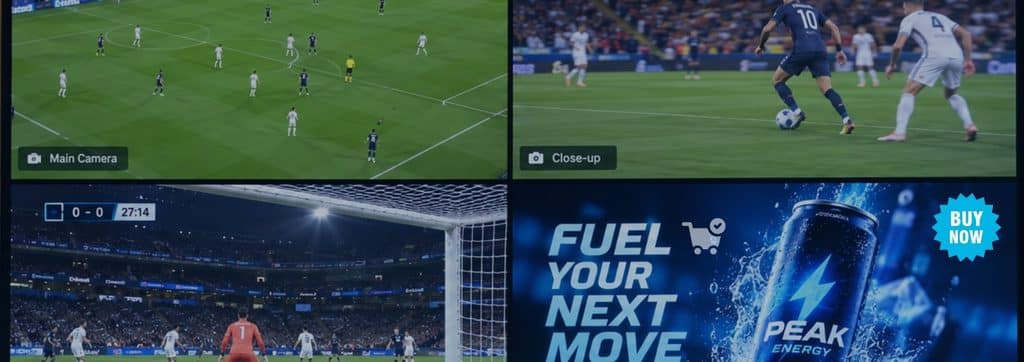
The combination also tackles one of Multiview’s biggest challenges: device fragmentation. Smart TVs and set-top boxes can have very different levels of processing power, with some devices dating back to 2015. Traditionally, Multiview can require multiple video players and manifests, something many of these devices simply aren’t designed to handle.
By moving the heavy lifting to the backend, Broadpeak enables Dotscreen to concentrate on the experience itself, including smooth remote-control navigation, interactive layouts and consistent performance across Smart TVs and legacy devices, not only high-end set-top boxes.
As Yann puts it, the shared goal is simple: “We want to democratize multiview.”
And with Multiview as a service on broadpeak.io, it’s easy to try and deploy in minutes.
Watch the full interview below